Moderate Learning Difficulties (MLD)
For children without a formal diagnosis but who nonetheless struggle to attain the same academic and social milestones as their peers, the school environment can present significant challenges while heightening their anxiety. The cognitive delays associated with mild to moderate learning difficulties (MLD) can seriously hinder students’ ability to concentrate during lessons, while barriers to communication can prevent them from articulating their difficulties to their teachers or forming connections with their classmates. By adapting your classrooms with specialized MLD equipment or designing an interactive sensory environment to sustain the attention of students with additional needs, you can improve the engagement of these children and foster an inclusive learning environment.
Examples of Moderate Learning Difficulties
Moderate learning difficulties are characterized by delays in development and academic attainment, with individuals typically performing below their expected level of achievement. Outside the classroom, children with MLD may feel isolated from their peers, which can exacerbate any existing anxiety and form negative associations with their school.
While ADHD shares several overlapping characteristics with MLD, it is not considered an example of moderate learning difficulties as it is a clinical diagnosis, as opposed to an educational classification. That being said, students with MLD may have an Individualized Education Program (IEP) in place in order to provide appropriate support strategies and ensure they can access their curriculum despite their individual needs.
Moderate learning difficulties are most commonly associated with challenges in literacy and numeracy, including difficulties with reading, writing, spelling, and comprehension, as well as basic mathematical concepts such as arithmetic, pattern recognition, and telling the time. Broader developmental and cognitive delays are similarly indicative of MLD, such as slower acquisition of speech, social, and motor skills, alongside impairments in attention, memory, and reasoning, preventing them from processing and applying new information effectively.
Sensory Equipment for MLD
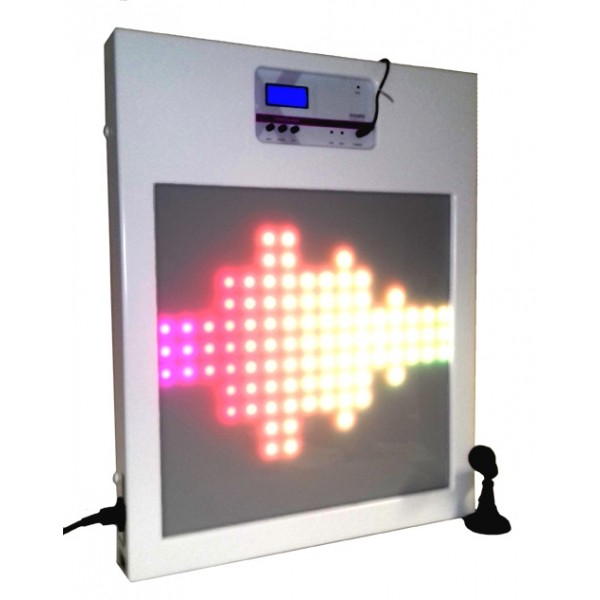
When the pace or content of a lesson causes a child to disengage, time spent in a sensory environment can help them to regain their attention before returning to the classroom. Speaking into the microphone attached to the sound equalizer will produce multicolored bars of light across its display, while pressing the customizable tiles on the soundboard will produce familiar noises, strengthening reasoning skills while giving the user autonomy over their sensory experience.
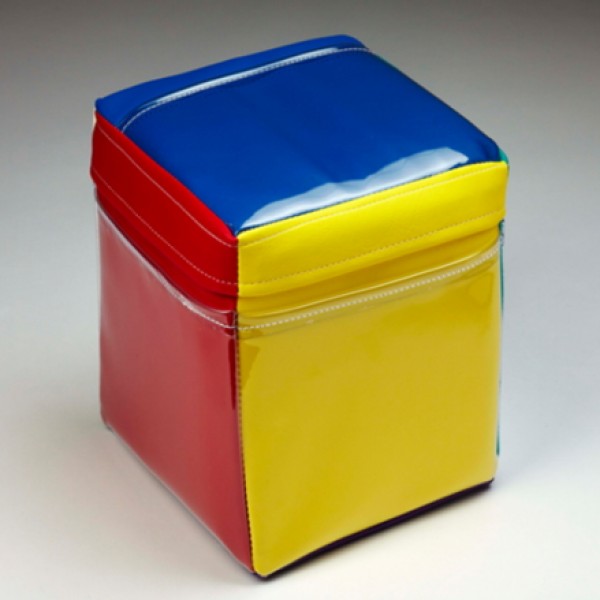
For students who prefer to regulate through gross motor stimulation, soft play equipment for MLD that engages their movement and balance skills can provide an effective outlet for anxiety, reducing negative thoughts that could be causing distraction. By turning or rolling the innovative IRiS Qube controller, students with moderate learning difficulties can engage their motor skills to interact with their environment, the gyroscope inside the controller changing the colors of any connected IRiS Wireless equipment.
Whether you work within mainstream or special education, we realize that you may have multiple students with moderate learning difficulties in your school, as well as more profound additional needs such as autism or Down syndrome. Accommodating the unique needs of these students within one multisensory space can be challenging for the uninitiated, which is why we provide free room design services with every purchase. With assistance from our expert sensory advisors, you can curate the perfect environment for your students to engage in their education and interact with their peers.
Start planning your sensory room with us today by calling us toll-free at 1-800-882-4045 or outlining your students’ sensory needs in an email.