Dementia Sensory Products
Dementia is a syndrome, or group of related symptoms, associated with the deterioration of cognitive function. Typically affecting individuals aged 65 and above, dementia is widely known for causing memory loss and confusion, but can impact behavior, language skills and motor functions as the condition progresses.
While there are currently no treatments to reverse these symptoms, stimulating certain inputs with sensory products for dementia can be transformative for individuals suffering from the condition. From relieving their anxiety and strengthening their mobility to unlocking memories and promoting clarity, sensory stimulation for dementia can significantly improve the physical and psychological well-being of these patients. At Experia USA, we not only specialize in the development of sensory equipment for dementia sufferers, but also help families, care facilities and healthcare institutions to design dementia-friendly environments to enrich the lives of those in their care.
What Are Sensory Rooms for Dementia?
The presentation of dementia differs from person to person, with the rate of progression and the nature of symptoms depending on the underlying disease and how aggressively it affects the brain. In the U.S., the most common cause of dementia is Alzheimer’s disease, which an estimated 7.2 million Americans are currently living with according to the Alzheimer’s Association.
While the average survival rate following dementia diagnosis is four to eight years, some people can live as long as 20 years, which demonstrates how differently the condition can develop. In light of the unpredictability of the condition, creating a dementia sensory room that accommodates the current and future needs of patients is crucial to supporting them at every stage.
In the early stages of dementia, an individual may be able to maintain their independence while experiencing regular forgetfulness, losing track of time, misplacing objects and struggling to remember the names of new acquaintances. As symptoms worsen, dementia sufferers may start getting confused about their whereabouts, having difficulty recalling personal information and displaying changes in behavior. In the later stages of dementia, individuals become heavily reliant on external support, experiencing difficulty recognizing loved ones and struggling with mobility and communication. Given the potential rapid progression of the condition, we believe that dementia-friendly environments should incorporate multisensory equipment to safeguard them against sudden deterioration.
Sensory Products for Dementia
As memory impairment worsens with each stage of dementia, integrating auditory equipment into your dementia sensory room is essential for engaging the limbic system and strengthening neural connections in the memory centers of the brain. Decades of neuroscientific research have observed the relationship between music, memory and emotion, which has informed our expansion of our sound and music therapy product collection. Triggering the IRiS Recordable Speaker with one of our compatible controllers will produce familiar soundbites and songs, resonating with your users and facilitating moments of clarity.
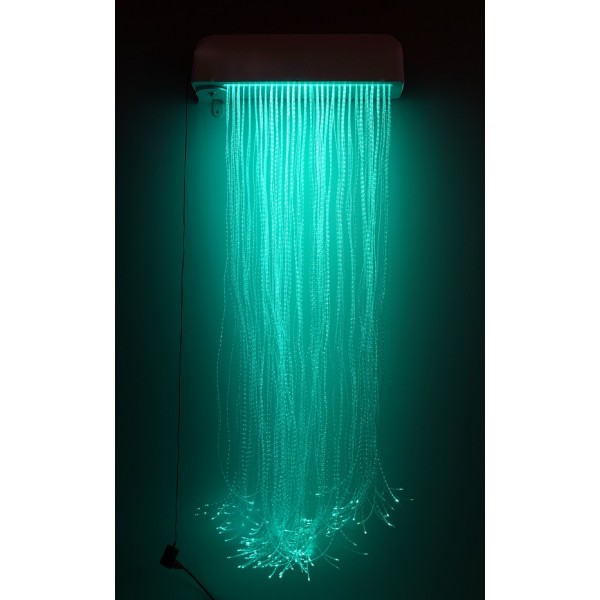
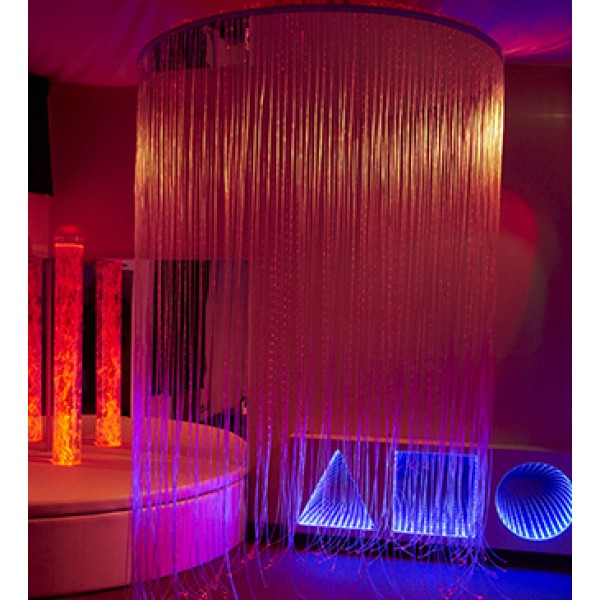
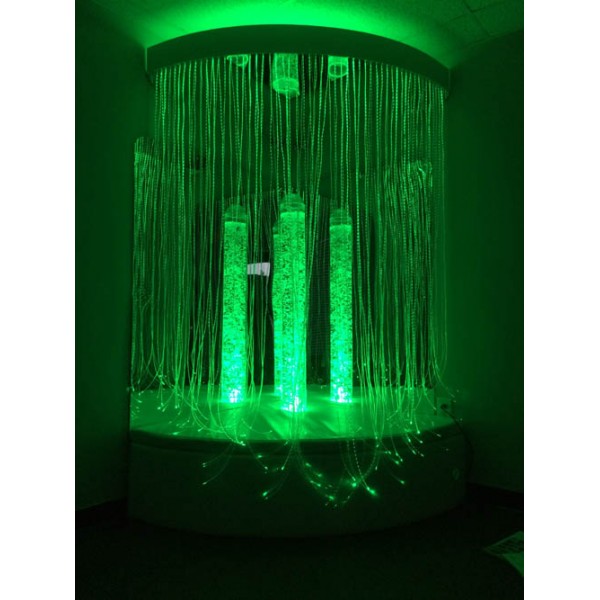
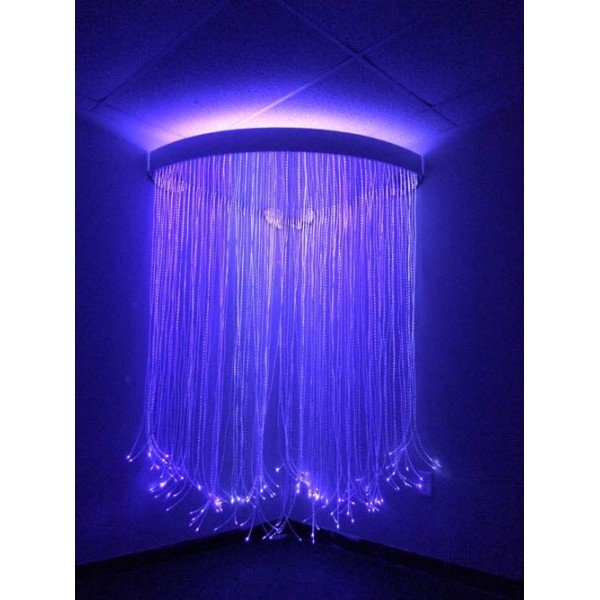
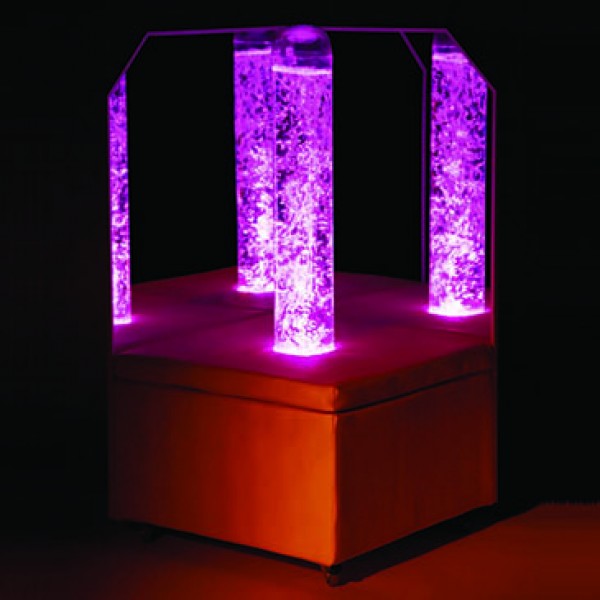
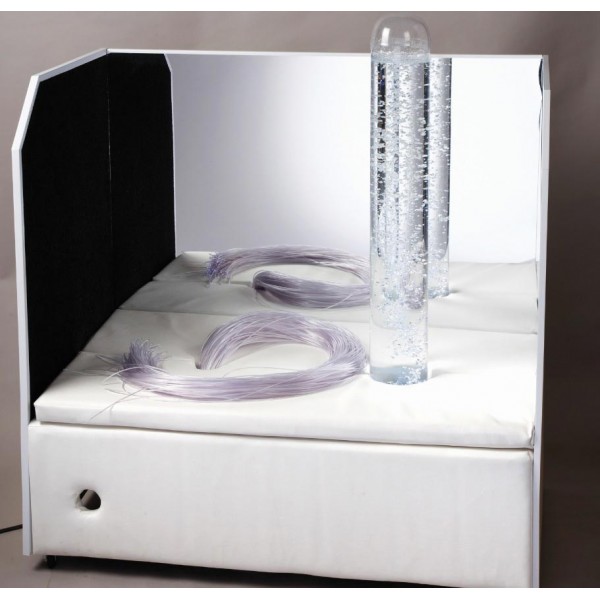
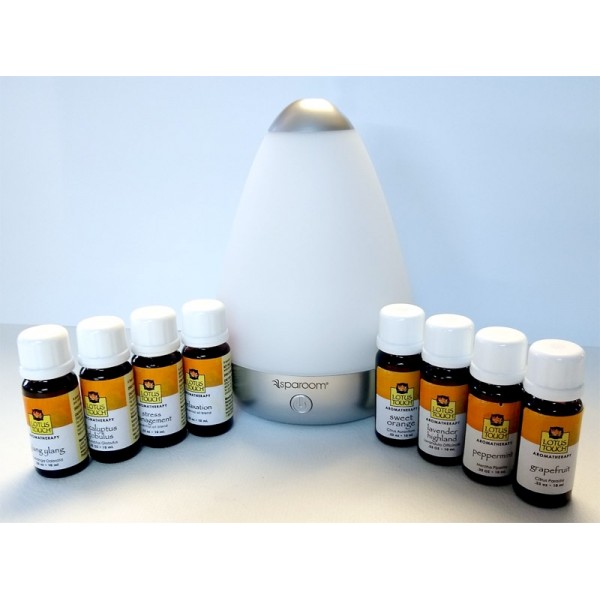
Stimulating the sense of smell can similarly elicit deep emotional responses from individuals with memory loss, the varied scents included in our aromatherapy bundle allowing users to transcend decades as they revisit memories from childhood and early adulthood. When paired with soft sensory lighting produced by our fiber optic products, gentle fragrances of lavender and sandalwood can inspire calm in agitated or overwhelmed dementia patients.
As mobility and fine motor actions become more challenging in later stages of the condition, incorporating movement and dexterity-focused sensory products for dementia allows individuals to retain their physical strength in spite of their cognitive decline.
We appreciate that creating a dementia-friendly environment that incorporates these disparate products can be challenging, which is why Experia USA provides free room design services for each of our customers. For more information about assembling the ideal sensory room for the dementia patients in your care, or to learn more about the benefits of multisensory stimulation for dementia, please reach out to us by calling toll-free at 1-800-882-4045 or sending us an email.