Sensory processing differences affect how individuals interpret and respond to everyday sensory information such as sound, touch, movement, light and texture. Children with sensory processing disorder, autism or ADHD may be sensory seekers, sensory sensitive (over-responsive) or under-responsive to sensory input. Understanding these differences helps parents, teachers and therapists choose the right sensory strategies and equipment to improve focus, emotional regulation and participation in daily activities.
Working with children with special needs, and in particular developmental needs, can heighten sensory challenges because as physical demands increase so do our sensory regulation needs. You can say the same for learning. As the demands to focus and concentrate are increased, the need to integrate all that information increases as well. And, such demands can leave little Johnny or Big Ben quite frustrated, not to mention their teachers, parents and therapists.
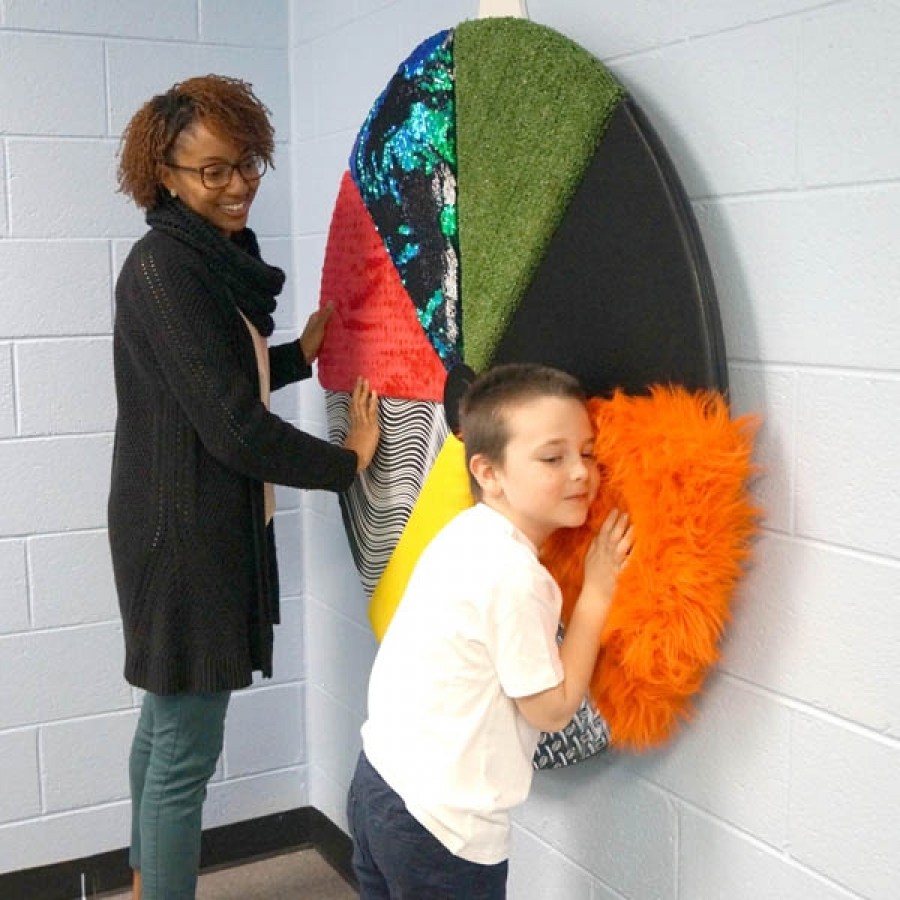
Lets take a quick look at some of the major sensory differences and how they might impact the ability to process, learn, move, socialize or function.
So which category do you fit into? Chances are you are bits and pieces of each at different times. You may be startled by noise, yet need a visual reminder to stay on task. Yet you may also love to play hard. The key is to recognize each individual’s sensory differences and needs to help them advocate and accommodate as needed. A great sensory diet can do wonders to keeping everyone regulated and happy!
Need help creating a sensory environment? Whether you're supporting children with sensory processing disorder, autism or ADHD, we can help you design a sensory space tailored to your users' needs. Get in touch with us today.

Andy Roussey is the president of Experia USA with over 30 years of experience in manufacturing sensory equipment. He has a Bachelor of Science in Industrial Management with a minor in Industrial Engineering, and has designed over 75 sensory products. He's also married with two children.