Due to the damage done to the brain by dementia, anxiety is an unfortunate reality for those suffering from the condition. From being overwhelmed by disrupted sensory inputs to becoming disoriented by changes in their routine, there are many triggers that can cause anxiety in dementia patients, of which their loved ones and carer(s) ought to be aware. In this article, we will review some of the common causes of anxiety in dementia, highlighting signs that someone with dementia might be feeling anxious, before offering some strategies to reduce or avoid anxiety-inducing situations.
Anxiety
is a natural human response to stress, which typically presents as feelings of
uncertainty, fear, or dread, although it can manifest physically as sweating,
headaches, increased heart rate, and panic attacks. In neurotypical people,
anxiety can be triggered by various factors, from significant life changes and
health concerns to worrying about family members and the future. For
individuals with cognitive disorders such as dementia, anxiety can be induced
by even slight changes to their environments or sensory inputs due to the
confusion and disorientation that is innate to their condition.
Some
common sensory issues that can cause anxiety in dementia patients include:
●
Tactile Impairment (Touch) – Dementia can alter the sensation of texture,
temperature, and pain through physical touch, which can lead to individuals
inadvertently hurting themselves or having an intense reaction to something
with an otherwise normal texture or temperature.
●
Visual Impairment (Sight) – It is common for dementia patients to
experience problems with their vision, from decreased depth perception and loss
of contrast to difficulty recognizing familiar objects or faces, known as visual agnosia.
●
Auditory Overstimulation (Sound) – Despite their physical hearing
remaining unchanged, the brains of dementia patients may struggle to interpret auditory
inputs, making it difficult to understand what is being said to them or causing
sensory overload.
● Olfactory Impairment (Smell) – Loss of sense of smell, known as anosmia, is one of the earliest signs of dementia and can make it difficult for patients to recognize familiar scents or enjoy their favorite foods.
Spotting
the signs of anxiety in dementia can be difficult, as many anxious traits
overlap with symptoms of dementia. However, without proper identification and
early intervention, anxiety in dementia patients can worsen over time, leading
to more severe issues with their mental and physical health.
Some signs of dementia anxiety to look out for include:
From
establishing predictable routines to facilitating therapeutic activities with
specialist sensory products, there are multiple methods
you can employ to relieve anxiety in those with dementia. These include:
There
are numerous foods that contain specific nutrients that promote the production
of neurotransmitters in the brain, which support emotional regulation and can
reduce anxiety in dementia patients. Consuming foods that are rich in
probiotics, such as yoghurt and fermented foods, supports gut health while
contributing to the production of serotonin and dopamine, which help to
stabilize the mood of individuals with dementia. Antioxidant-rich foods, such
as berries, nuts, and leafy greens, similarly protect mental well-being by
neutralizing unstable molecules responsible for neuroinflammation, while
complex carbohydrates, such as oats and whole grains, help to maintain blood
sugar levels, preventing the irritation and confusion that can lead to anxiety
in dementia.
Dementia
gradually damages the hippocampus, the memory center of the brain, which
eventually prevents individuals from forming short-term memories. For this
reason, predictable routines are an effective method of relieving anxiety in
dementia patients, allowing them to anchor themselves in the current moment and
reducing their feelings of disorientation.
When
we exercise, our increased heart rate and respiration pump oxygenated blood
around our body, including to the brain. This boosts our cognitive function,
making it easier to maintain focus while lessening neuroinflammation that might
culminate in stress and anxiety. Furthermore, as we continue to exercise, the
brain releases endorphins while lowering its cortisol levels, elevating our
mood and reducing hormones that are typically linked with feelings of anxiety.
While
the dementia patients in your care may not have the physical strength or
mobility to do strenuous exercise, simple stretches or chair exercises from the
comfort of their living room or bedroom are ample for getting their blood
flowing!
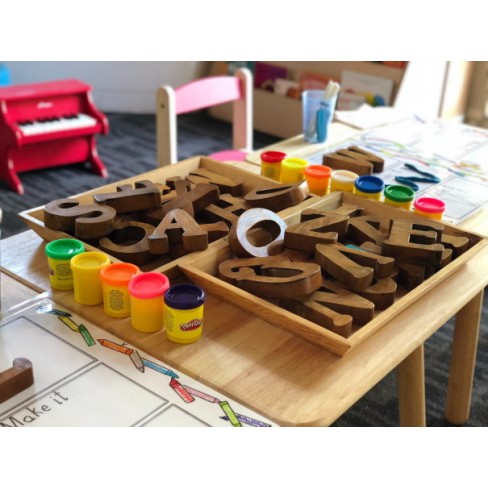
Engaging
in creative activities is an excellent way for dementia patients to stimulate
their brains while distracting themselves from any upsetting thoughts or
overwhelming inputs. The repetitive actions involved in many creative hobbies,
such as knitting, painting, kneading dough, or working clay, preoccupy the mind
while having a soothing effect on the nervous system, mitigating the incidence
of anxiety in dementia. More challenging activities, such as completing jigsaws
and puzzles, allow dementia patients to maintain focus while blocking external
triggers, curbing their anxiety while strengthening their cognitive resilience.
We
have plenty of examples of indoor activities for dementia patients on our blog that are sure to
enrich the lives of those in your care.
Listening
to music stimulates the hippocampus, the area of the brain that is primarily
responsible for memories and recollection. For this reason, numerous
neuroscientists have conducted studies on individuals with dementia, using
music to retrieve memories from their youth and fragments of their former
identities. Facilitating moments of clarity through musical therapy for anxiety
can offer great comfort to dementia patients, especially those in the later
stages of the condition, reducing their confusion by grounding them in a
familiar time and space.
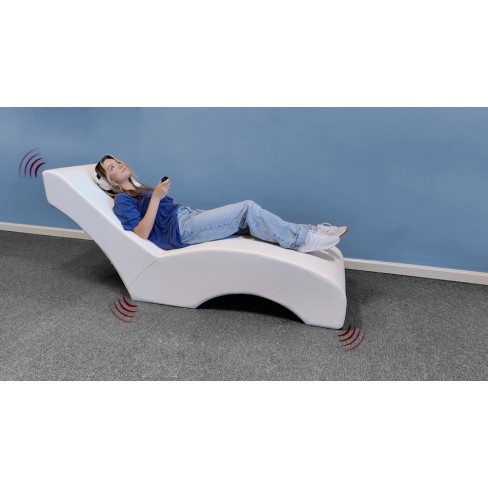
Emitting
soundwaves through specially designed vibroacoustic furniture produces deep vibrations that
can penetrate the body, muscles, and cells of the individual resting on top,
stimulating the parasympathetic nervous system that is responsible for our
“rest and digest” response. This causes the blood vessels to dilate, improving
blood flow throughout the body, while reducing the production of the stress
hormone cortisol, promoting relaxation and recuperation for the individual
using the vibroacoustic furniture. While these sensory processes actively
soothe dementia patients’ anxiety, triggering the parasympathetic nervous
system simultaneously improves their physical well-being by relieving any pain
or pressure placed on their joints.
As
the olfactory centers of the brain are closely related to our memory centers,
familiar or evocative scents can aid recollection in dementia patients,
unlocking memories and helping them to identify familiar people, places, and
favorite foods. Certain scents, such as lavender and chamomile, have even been
shown to have calming qualities, reducing anxiety in dementia patients during
the day while making it easier for them to sleep at night.
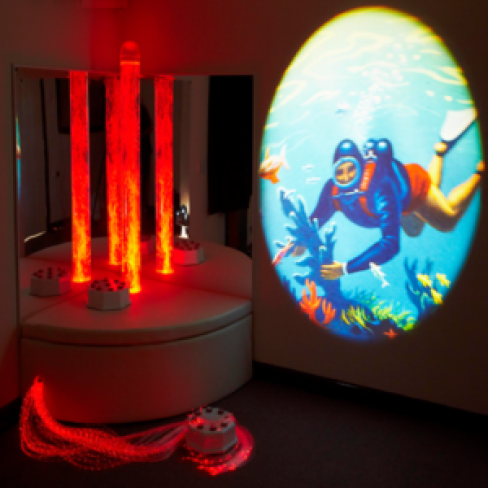
When breaks from routine or overwhelming sensory inputs are starting to cause anxiety for the dementia patients in your care, transferring them to a controlled environment filled with calming sensory products allows them to regulate their sensory processes. From the slowly transitioning colors of fiberoptic lights, bubble tubes and other visual aids for dementia, to the tactile reassurance of the lifelike cats and dogs from the PerfectPetzzz range, the variety of sensory activities contained in multisensory rooms can offer multiple benefits to individuals with dementia.
We
hope that this article has improved your understanding of anxiety in dementia
and that some of these methods will enable you to relieve the anxiety of the
individuals in your care. At Experia, we have collaborated with occupational
therapists to develop sensory solutions tailored to dementia patients, with the
intention of easing their discomfort and strengthening their cognition in spite
of their condition. For advice on which sensory products to purchase to support
your loved ones or the residents in your nursing home, or to arrange a consultation
with our free room design specialists, please contact us today.