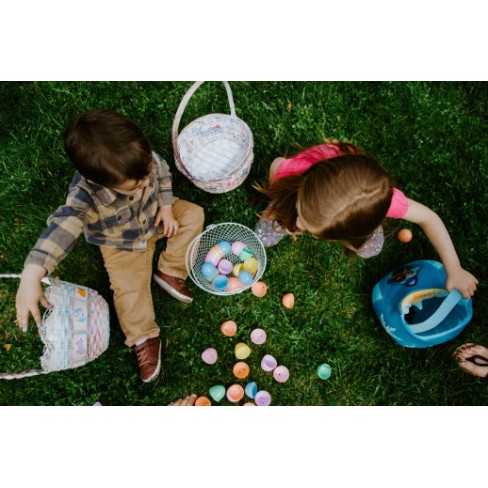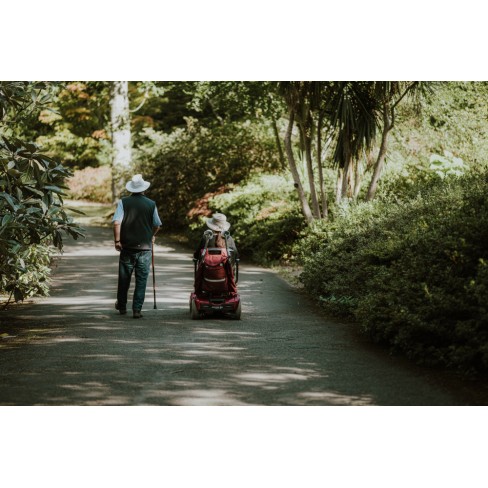
Outdoor sensory play activities provide the opportunity to immerse children’s senses in a new environment. With different textures to touch, scents to breathe, and colors to gaze at, alfresco play can help meet a range of sensory needs. Various portable equipment can also complement the experience and encourage young minds to form lasting positive memories and associations with the outdoors.
In this article, we have listed six summer sensory play ideas to inspire parents and early-years educators to move recreational time outside and safely introduce children to the rich sensory experiences that nature offers.
Children with sensory issues or learning difficulties can benefit greatly from outdoor sensory play activities. A calm, natural environment can be extremely therapeutic and serve as a safe space to explore without feeling overwhelmed. Equally, for children who are particularly reserved, sensory play in a home garden can help them come out of their shells.
Outdoor sensory play activities can help children focus on all the senses or can be tailored to target specific ones, depending on which they may need to develop or acclimate to using. When this involves extra mess, playing outside also offers more freedom and room for enjoyment. With this in mind, here are our six favorite ways to engage the senses outdoors.

There are so many colors and textures to explore outside during summer sensory play! Plants and flowers with feathery leaves and bright petals provide great stimulation and make perfect ‘treasures’ to hunt. Completing a checklist is a fun way to develop focus and engage the senses. If exploring after dark, we recommend taking our Sensory Backpack to add visual interest: construct the pop-up tent and beam the Aurora Projector or Wheel Rotator onto a wall or fence for a magical outdoor experience.
Scents can have a huge impact on mood, so choosing the right ones can benefit young children enjoying sensory garden ideas. Many fragrant plants are used in aromatherapy, and the Aroma Mouse and Starter Kit inside the Sensory Backpack can also bring scents indoors, extending the experience.
Try introducing children to different plants, coming up with words to describe the smells and discussing how they feel in response. For example, lavender is often associated with relaxation, while cut grass can evoke summer memories. There are even plants that smell like familiar things: Helichrysum Italicum smells like curry while Cosmos Atrosanguineus smells like chocolate. Before starting, be sure to check for allergies and use familiar plants.

There are so many exciting textures that you can experiment with outdoors. Moss and Stachys Byzantina, also known as lamb’s ear, are soft and loved by little hands. With their abrasive and intricate surfaces, even stones and bark are interesting to touch.
Help children learn about different textures with an adjective chart that they can tick off as they find sources of summer sensory play. As well as introducing different tactile sensations, this exploratory outdoor sensory play activity also teaches children new words.
But since gardens are incredibly tactile places with lots to feel, a familiar material may come in handy when children have explored enough for one day. Bringing along our Perfect Petzzz means that a fluffy friend is on standby to soothe and prevent overwhelm.

The outdoors is home to many interesting sounds; birdsong, rustling leaves, and trickling water can induce a sense of tranquillity in children. Wind chimes are another great way to introduce stimulating yet soothing sounds, especially when individuals are free to create their own noises through gentle play. If you don’t have natural water nearby, why not bring the waterfall tube from the Sensory Backpack to create the calming sound of flowing water?
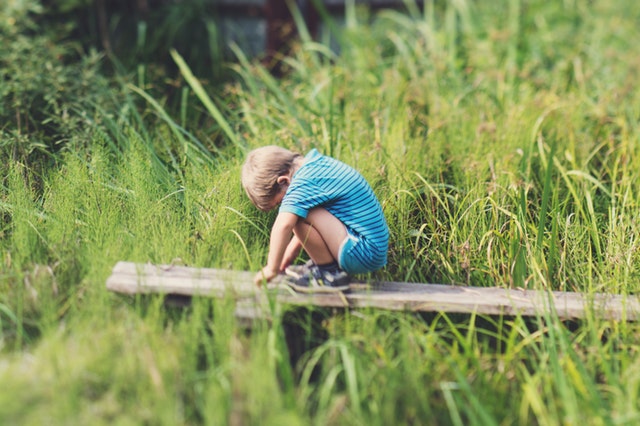
The garden or other sizable outdoor space is perfect for experimenting with movement and balance during outdoor sensory play activities for young children. Encourage them to walk and run around the space, using trees and garden furniture as goals to reach. If they have severe physical difficulties or are prone to falls, their gross motor skills and hand-to-eye coordination may be best practiced with padded or cushioned toys and on a soft surface, such as grass or mats.
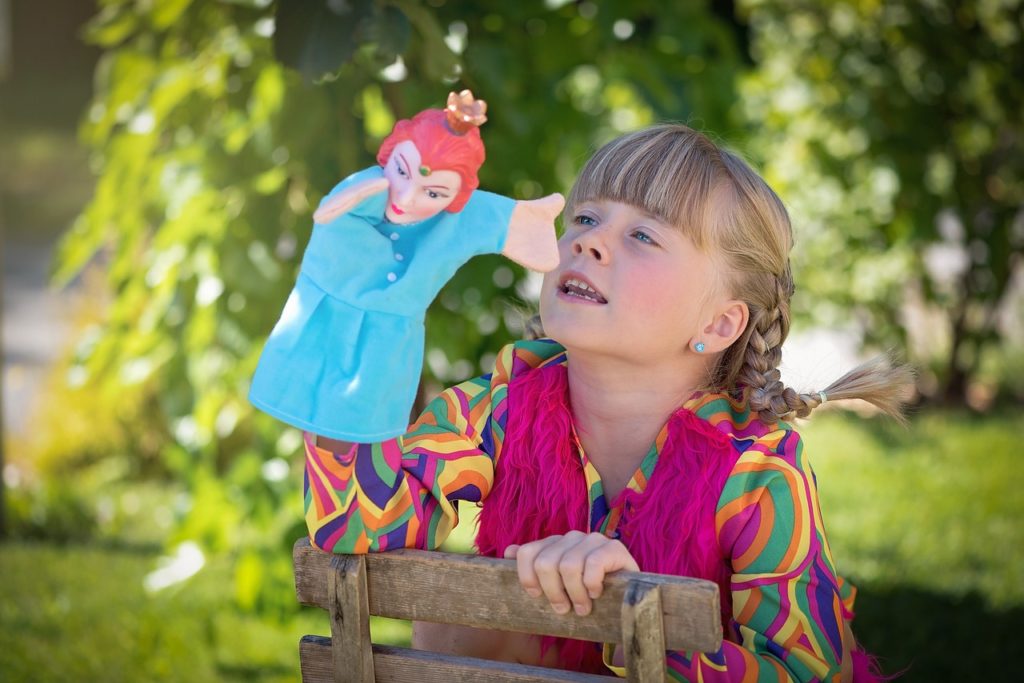
Sometimes children need a change of scenery, just for them. We have plenty of portable equipment that can easily be brought to a pop-up tent and plugged into a nearby power outlet to create a sensory wonderland! This way, individuals can enjoy bubble tubes and fiber optics in their special outdoor den. Playing in a haven is a particularly beneficial outdoor sensory activity for autistic children, balancing sensory regulation, emotional safety, and even more open-ended exploration.
At Experia USA, we are experts in all things sensory. If you would like any advice on creating an outdoor sensory space with play equipment, please do not hesitate to contact us by calling 1-800-882-4045 toll-free.
What are the benefits?
Outdoor sensory play activities for young children can be therapeutic for those with sensory issues or learning difficulties. They are much more likely to want to engage their senses in a calm, safe space where they can explore in their own time and withdraw whenever they wish.
What are the five sensory skills?
Sight, hearing, smell, taste, and touch are the five main sensory skills that help us perceive and navigate our environment. Some people, especially those with neurodivergent conditions such as autism and ADHD, struggle to process sensory stimuli and become easily overwhelmed.
What outdoor activities help autistic children?
All the ideas in this article are appropriate outdoor sensory activities for autistic children. Incorporating sensory exploration into outdoor play is a great way for them to grow more familiar with stimulation and learn to use their senses at their own pace. We recommend making sure they are free to withdraw at any time if they become overwhelmed.