Traveling can be stressful for anybody, but it’s an especially challenging experience for autistic people. New environments, loud noises, strangers, and the unpredictability of the journey can be intimidating for children with Autism Spectrum Disorder (ASD).
To make traveling with an autistic child as easy as possible, planning and preparation are essential. In this guide, we share our expert advice on flying with an autistic child, including ways to keep them calm before, during, and after traveling.
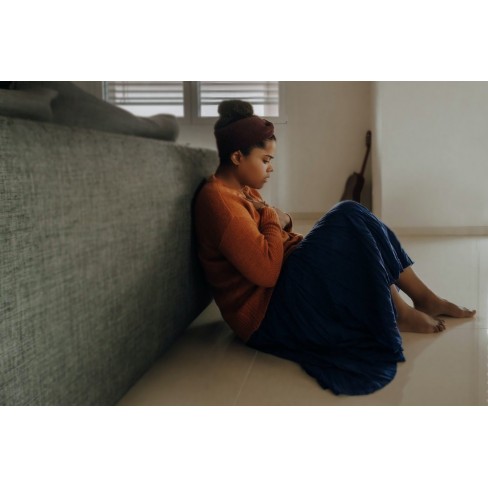
Traveling is a major disruption to day-to-day life. Given even minor changes in routine can be upsetting for autistic children, leaving home has the potential to create stress and anxiety. Unfamiliar sights, sounds, smells, and sensations can culminate in sensory overload, and numerous unpredictable events can trigger people with ASD. Security lines, terminals, and planes themselves are frequently incredibly busy, noisy places where everybody is expected to fall in line, and can quickly overwhelm those with sensory processing issues.
Despite these challenges, proper planning and preparation can increase your chances of a successful trip. We have collected 12 autism travel tips to help you throughout your journey, so that you and your child can relax as much as possible while flying.
1. Inform the airline of your child’s needs
The first step is to contact the airline directly and ask how much they can help. Luckily, many larger airlines have staff and measures in place to support travelers with special needs. For example, Delta Airlines offers seating accommodations and assistance throughout trips. We recommend sharing a one-page document outlining your child’s diagnosis to explain what you need when flying with an autistic child. Notifying the gate assistant that your child has ASD may also enable you to board first or last to avoid the busiest period in between.
2. Create an itinerary and list essential items
Another really useful autism travel tip is planning and writing out the day, hour by hour, and explaining the schedule to your child so they can visualize the journey. If they can verbalize their worries, this is a good time to plan when and where to have noise-canceling headphones or calming techniques ready. You can then incorporate these notes into an adjacent list of items to match their needs during each stage of the journey.
3. Familiarize your child with the travel environment
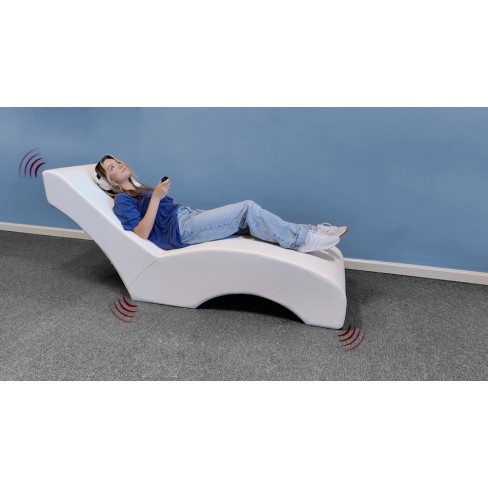
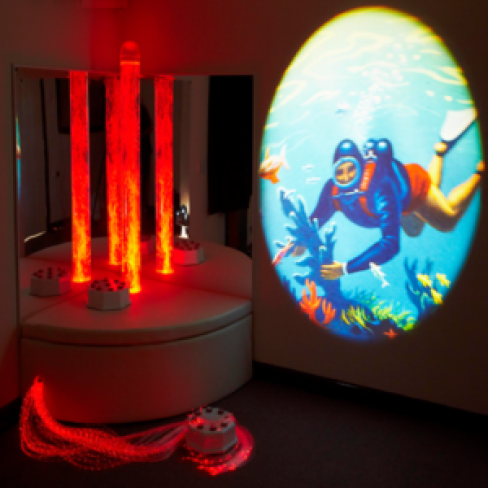
Depending on the severity of your child’s ASD, you could consider visiting the location of travel (whether an airport, train station, or bus station) to remove the element of surprise. Some airports are even starting to build meditation and multi-sensory rooms into their terminals, including Hartsfield-Jackson Atlanta, Miami International, and Pittsburgh International. Others, such as Chicago Midway, offer other sensory resources. It’s definitely worth checking beforehand whether your airport provides these facilities.
4. Use a light sensory backpack for hand luggage
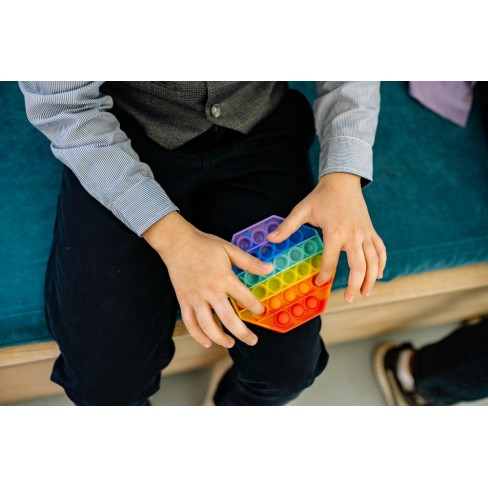
You may be wondering what to pack when traveling with an autistic child. Before leaving home, pack your child’s favorite portable sensory tools and identify which you will need in hand luggage. Our sensory travel backpack contains 20 custom sensory items in a practical, lightweight roller to calm and distract your child when they are feeling overwhelmed. However, be mindful of any item that could trigger an alert during security, and remember to tell your child that their hand luggage will be checked and possibly emptied at this stage.
5. Put on an autism awareness lanyard
Many airports participate in the Hidden Disabilities Sunflower program, an awareness initiative aimed at discreetly communicating to staff that your child may need more time or have special needs while traveling. It’s important to note that wearing a lanyard does not mean that people with disabilities or neurodivergent conditions can fast-track queues.
6. Prepare your child for TSA checks
When flying with an autistic child, you will have to go through legal security checks at the airport. However, as part of the TSA Cares service, there are modified procedures for those who need additional assistance. This is a golden autism travel tip for those who struggle with boundaries and being touched. You should contact the TSA at least 72 hours before your trip.
7. Keep communicating with your child
Speak clearly and calmly to your child throughout the journey, updating them on progress through the itinerary and explaining where they are. To reduce anxiety further when traveling with an autistic child, you could use picture cues or a portable visual timer to help them understand how far they have left to go.
8. Use the essential items you packed
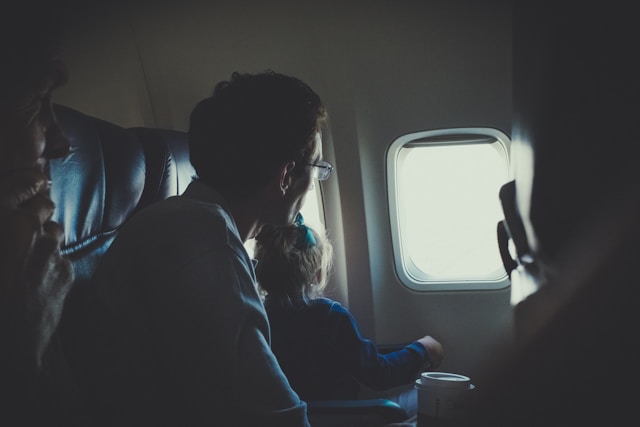
Once your child is seated on the plane, try to keep them comfortable and engaged with the toys and snacks you packed in their hand luggage. Take-off and landing are good times for noise-canceling headphones, and soothing sensory tools can help to alleviate anxiety.
9. Let your child transition
When you have arrived at your destination, allow some time to settle into the place. Your child will likely need to adjust and become comfortable in their new surroundings. Letting them investigate at their own pace before rushing into activities is a good way to start a vacation with an autistic child.
10. Establish a routine
If possible, replicate the daily routine your child has at home. This will help them gradually become accustomed to their new environment, settle in faster, and feel more at ease when taking part in vacation activities.
11. Celebrate small achievements
Encourage your child to enjoy this time and acknowledge their success in traveling so well. This reinforces positive feelings linked to flying, making future trips less daunting and stressful. This is one of our favorite autism travel tips, since it also helps to deepen family bonds.
12. Make a home away from home
If you feel it would help, you could book a hotel or room similar to your home. Or, bring a few extra familiar items to make your new stay feel like home. These could include pillows, bedding, toiletries, and snacks.
Traveling with autistic children requires careful planning, consideration, and some improvisation. By following these autism travel tips and thoroughly organizing your vacation beforehand, you can do your best to make your upcoming adventure a positive experience. For more advice on helping your autistic loved ones navigate the world around them, please take a look at our sensory blog. Or, order a free sensory catalog to find a solution that makes a difference on your next journey.