Sensory Processing Disorder (SPD)
Children with sensory processing disorder (SPD) face significant challenges in mainstream and special education settings alike, as their difficulties responding to sensory input impact their attention, emotional regulation, and ability to participate in classroom activities. This can lead to disengagement and frustration from children with SPD, contributing to disruptions in the classroom and increasing demands on teachers working to maintain an inclusive and effective learning environment.
Without making the appropriate accommodations for sensory processing disorder within your school, students may struggle to access education as readily as their neurotypical peers, limiting their progress and placing additional pressure on staff to manage their barriers to learning. By providing structured experiences within controlled sensory environments, can provide frameworks for students with SPD to regulate, improving their engagement in lessons and confidence outside the classroom.
What Is Sensory Processing Disorder?
Sensory processing disorder is a neurological condition that affects how the nervous system interprets and organizes sensory information. Rather than filtering and prioritizing signals in a logical way, the brains of people with SPD struggle to modulate inputs, which can lead to overwhelming sensory experiences.
While some individuals have heightened responses (hypersensitivity) to stimuli, others have reduced responsiveness, causing them to crave stronger inputs (hyposensitivity) to maintain focus or regulate their emotions. In many cases, these patterns can fluctuate, resulting in an individual experiencing magnified and minimized responses across different senses simultaneously, the inconsistency culminating in sensory overload.
Difficulties with sensory processing can similarly affect the relationship between sensory inputs and physical movement, making it harder for individuals to coordinate motor functions effectively. As different inputs compete for attention in the brain, individuals with sensory processing disorder must exert greater effort to perform coordinated movements, such as walking, writing, or participating in physical activities outside the classroom. Repeatedly facing these obstacles can gradually undermine their confidence, leading them to avoid challenging situations, isolating them from their peers and stagnating their development.
Inclusive Products for Sensory Processing Disorder
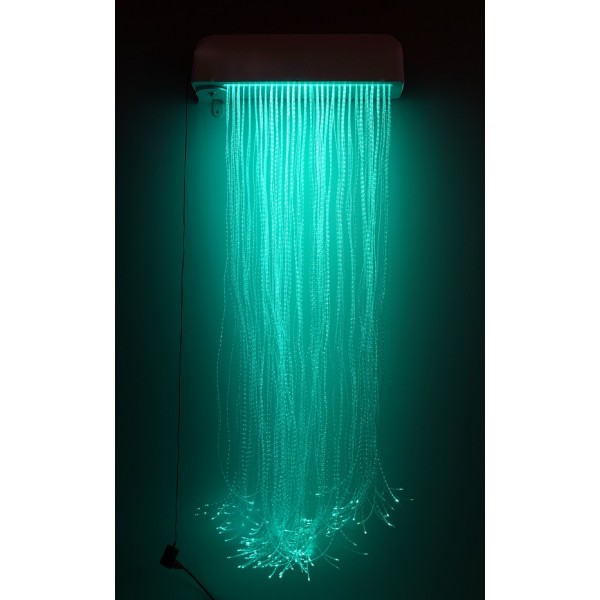
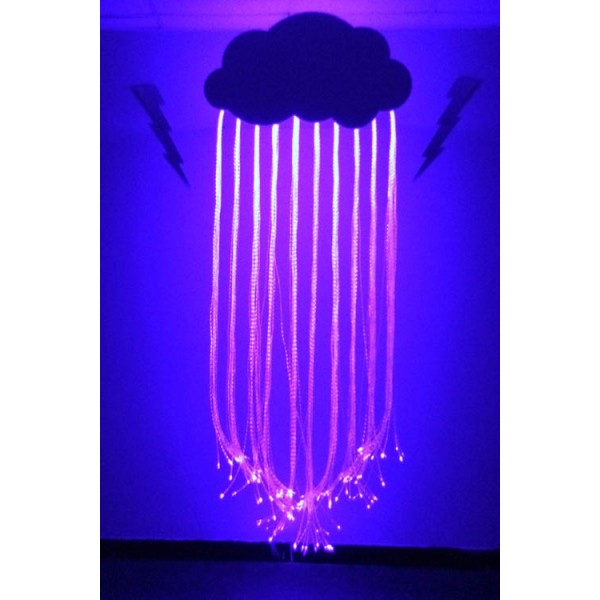
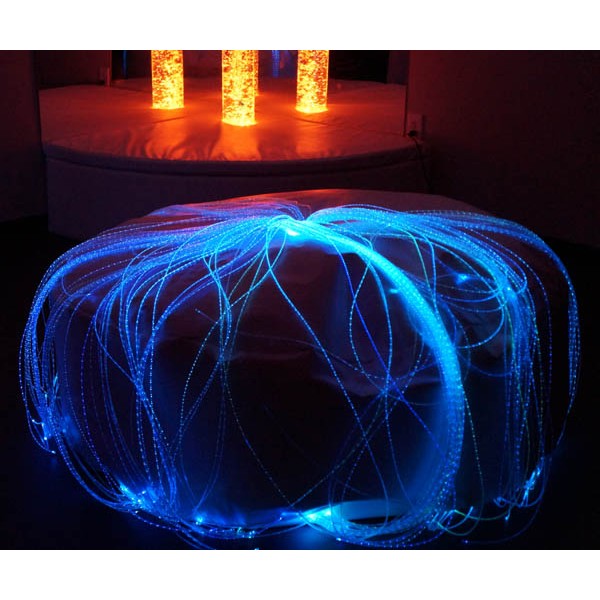
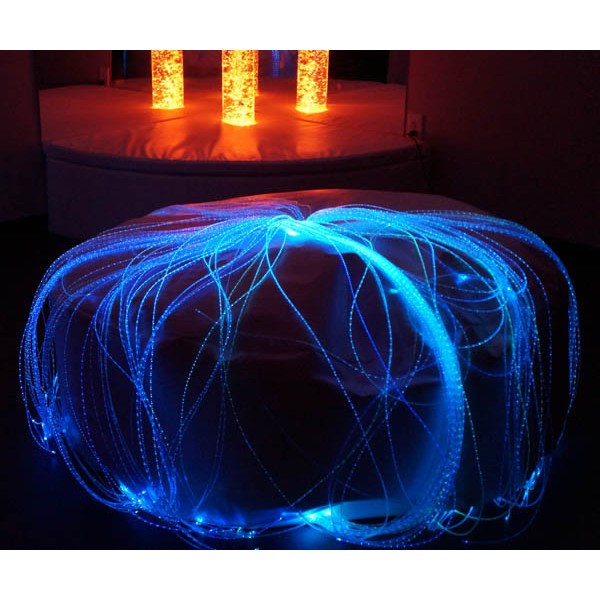
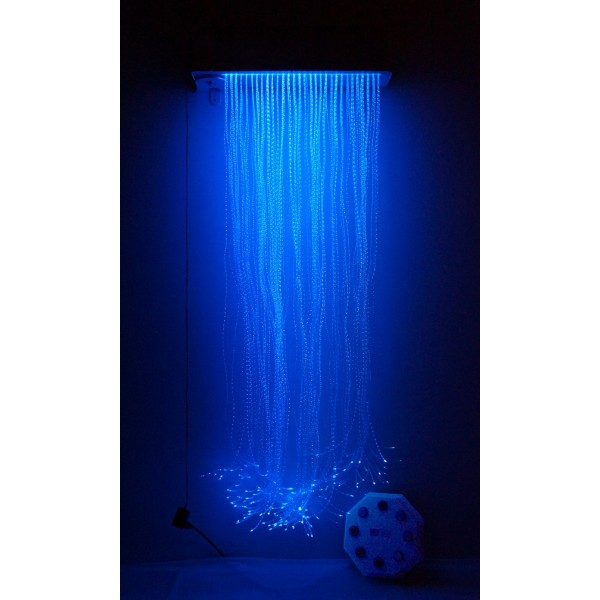
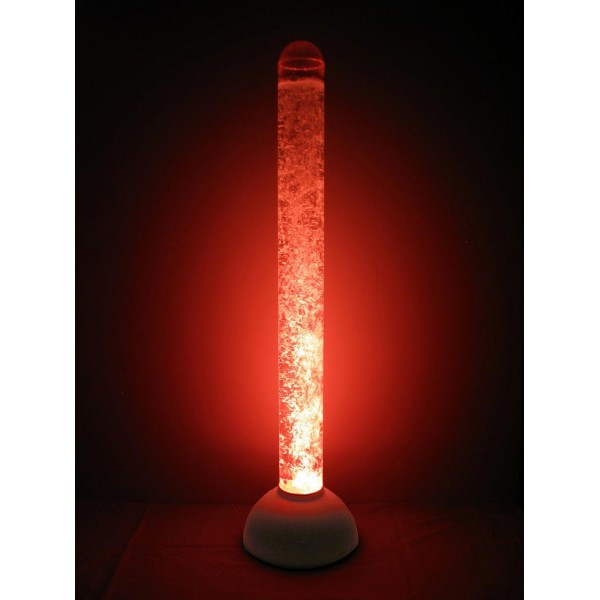
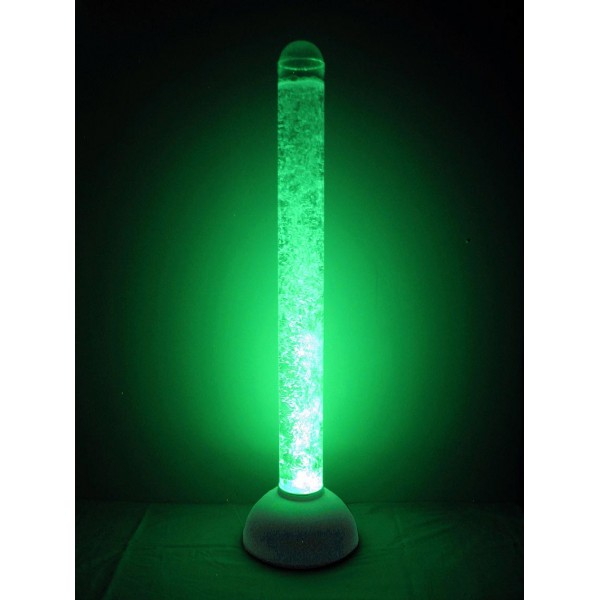
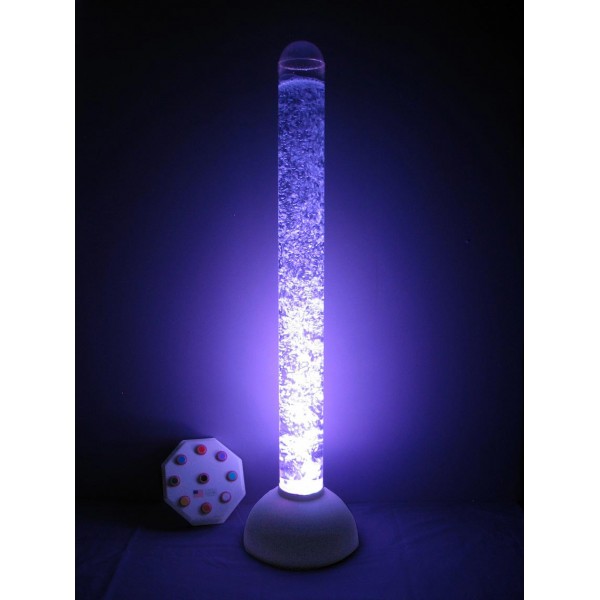
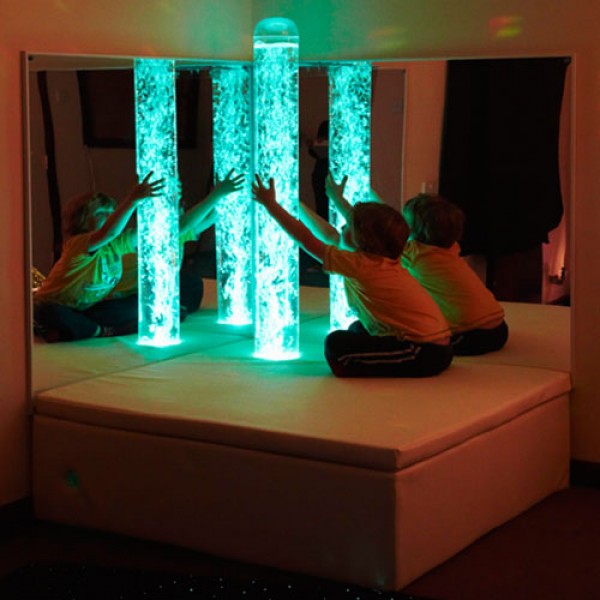
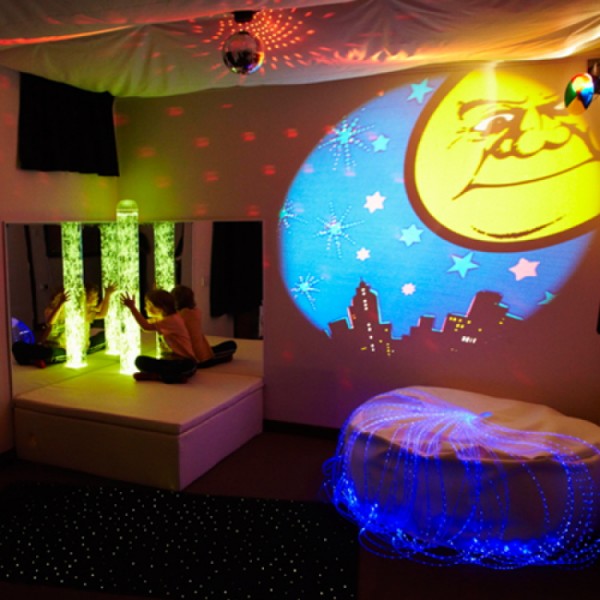
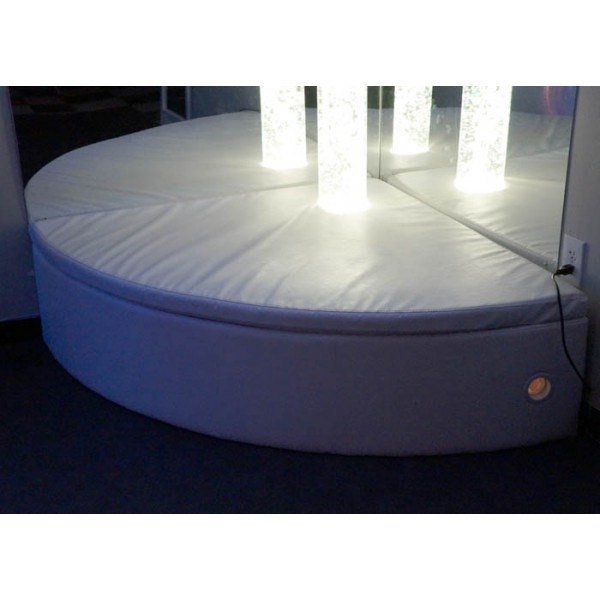
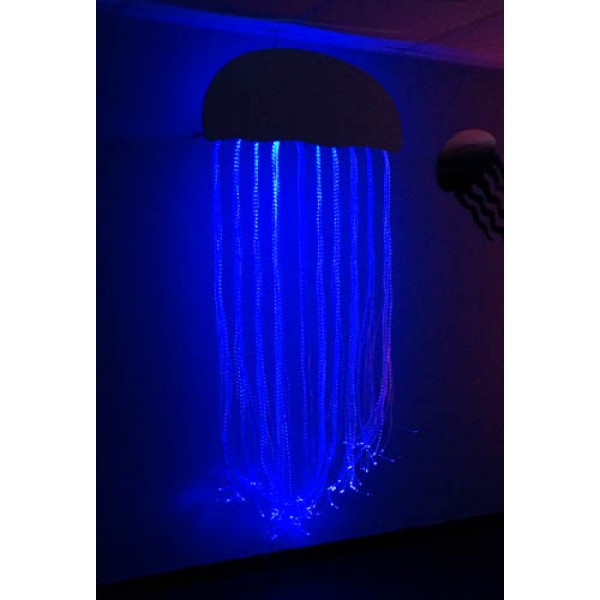
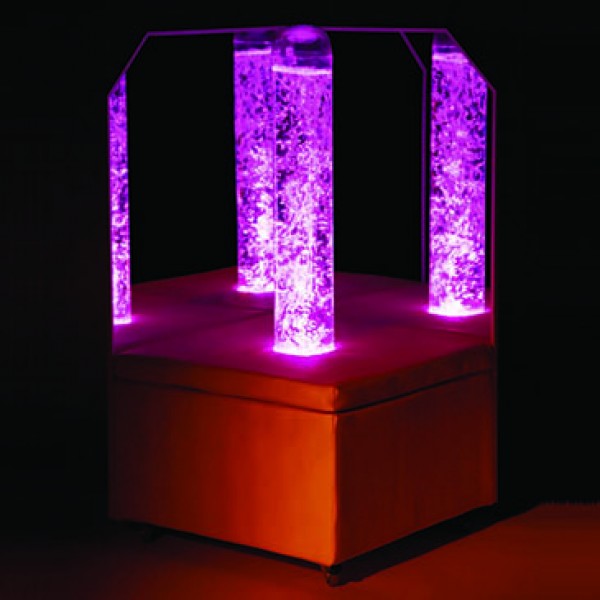
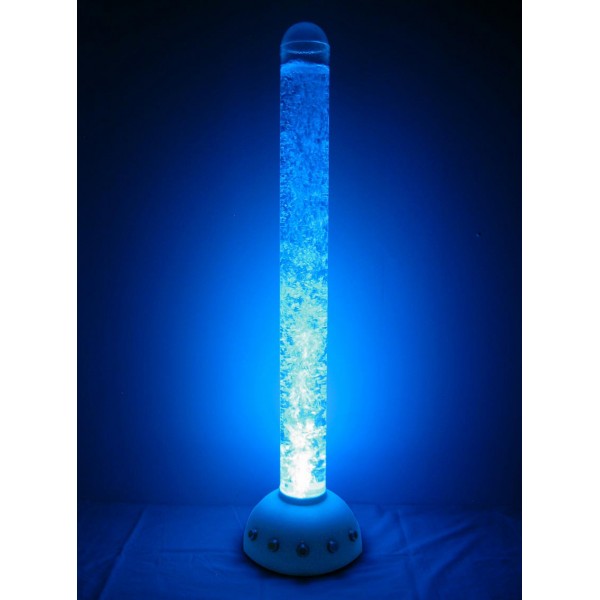
When designing sensory spaces in schools, it is necessary to accommodate for sensory processing disorder however it presents in students, whether through heightened sensitivity or sensory seeking behaviors. Creating an environment that can flexibly respond to this spectrum of needs allows each child to regulate their sensory experience in a way that best supports their individual requirements. The gentle shifts in color and movement produced by bubble tubes and our fiber optic products provide a predictable visual focus that can reduce the impact of overstimulation, anchoring students in the present moment while they regain their composure.
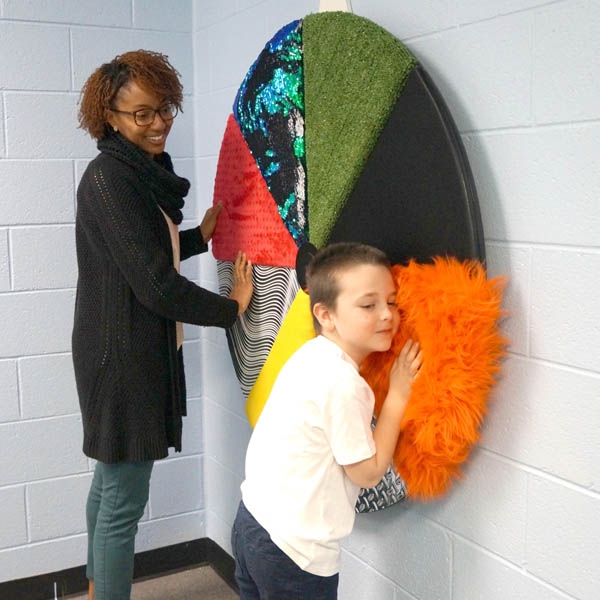
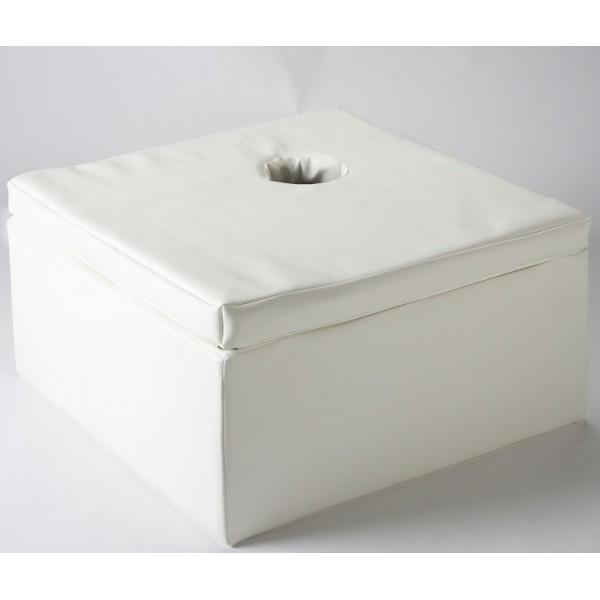
In addition to calming activities for sensory processing disorder, your multisensory space could offer opportunities for physical interaction with tactile equipment or spatial design elements. Pressing the colorful handprints that cover the sound wall and interactive LED carpet provides auditory feedback to users, reinforcing their engagement in the activity, while the cushioned padding on our balance beams and customizable soft play pads encourage users to challenge their coordination, without fear of injuring themselves should they lose their balance.
We appreciate that configuring a sensory room that incorporates these disparate design elements can be complicated, which is why our expert sensory advisors offer complimentary room design services to all of our customers. With their specialist insights, you can cultivate a space that satisfies the needs of your students with sensory processing disorder, while making provision for children with other additional needs or physical difficulties, such as autism or cerebral palsy.
For more information about how our solutions can help children with sensory processing disorder, or to discuss the specifics of your space with one of our design specialists, please contact us today by calling us at 1-800-882-4045 or sending us an email with your details.