Free shipping to 48 States!

How to Choose the Right Sensory Room Equipment

Written on . Posted in ADHD, Alzheimer’s, Multisensory, Sensory Room, Sensory Solutions

When you enter a sensory room, it is easy to be astonished by the aesthetics and equipment on display, but upon closer inspection, you will realise that every piece of sensory room equipment plays an important role within the space. Understanding the function of each object in a multisensory environment is essential to creating a space that benefits the individuals intended to use it, so we appreciate that choosing the right equipment for your sensory room design can be daunting.

In this article, we will discuss the different factors you need to consider when designing your multisensory room, explaining the developmental benefits of sensory room equipment and offering practical advice on how to plan your space.

Who Will Be Using the Sensory Room Equipment?

Before you start buying equipment for your multisensory room, you need to consider who will be using the room and how you can support their development through your sensory room design. If you are designing a room for your own child, you can tailor your choice of sensory room equipment to their specific needs, curating an environment that aids their sensory processing and encourages their skill development. Planning sensory spaces for multiple users, on the other hand, can be a much more challenging process.

Multisensory environments within schools, hospitals, and care facilities need to be able to accommodate the needs of different users, potentially at the same time, which requires more sophisticated deployment of sensory room equipment. Furthermore, the products need to adapt to the changing demands of their users as much as the space itself, such that you can be confident that your multisensory room equipment will meet the needs of your next generation of students, patients or residents. 


Types of Sensory Room Equipment

Whether you want to stimulate your students with interactive technology or support the rehabilitation of your patients and elderly residents through sound and music therapy, it is important to understand the different types of sensory room equipment in order to leverage their benefits.

At Experia, we developed our catalogue in collaboration with occupational therapists, designing each product to address specific needs and motivate certain areas of sensory development. The types of sensory room equipment available on our site include:

  • Calming 
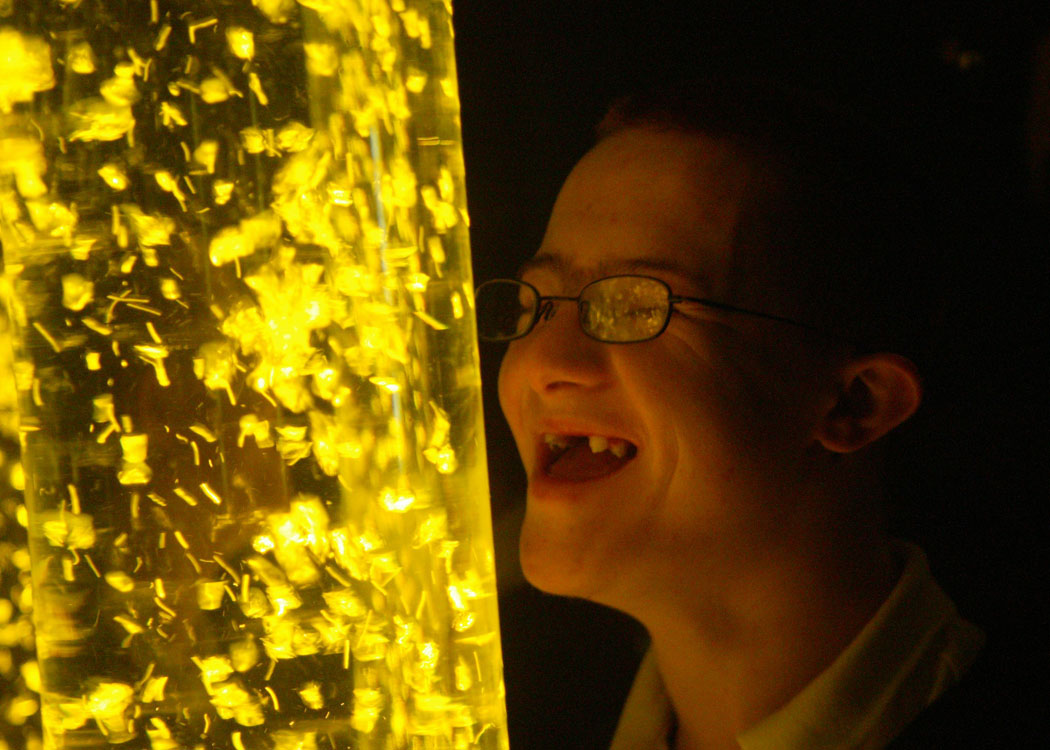
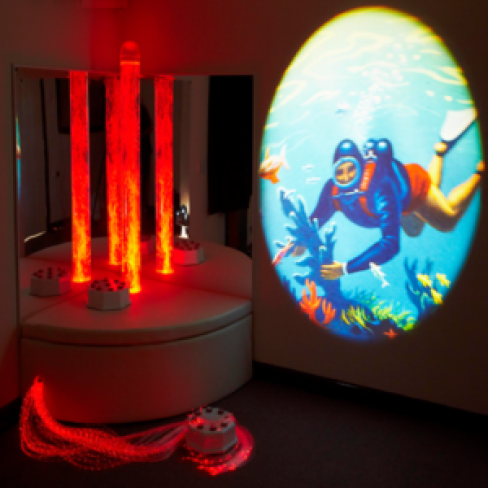
    One of the most popular types of sensory room equipment is calming products, which provide consistent sensory inputs to allow users to reduce stress and regulate their emotions. These include sensory room staples, such as bubble tubes and fiber optic lights, which captivate their users with their gentle illumination, holding their attention such that they can let go of whatever was making them feel overwhelmed.
  • Auditory
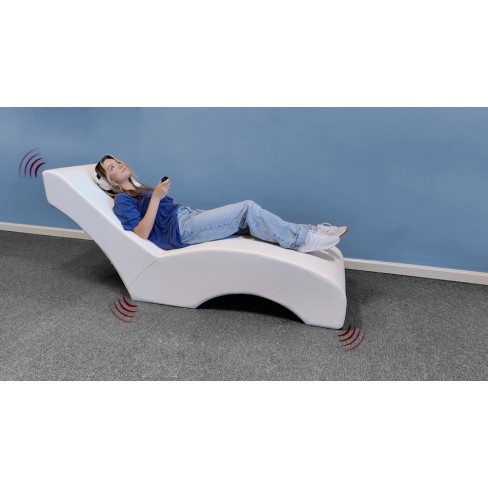
    Especially effective with individuals with ADHD and autism, these pieces of sensory room equipment provide audible inputs that can improve focus and sensory processing, promote relaxation and offer health benefits when applied in certain contexts. While our soundboard, sound equalizer and other interactive wall panels allow younger users to engage their auditory senses to develop their cause and effect skills, our vibroacoustic products can stimulate the parasympathetic nervous systems of users with physical difficulties, lessening their muscle tension and joint pain.

    • Visual 
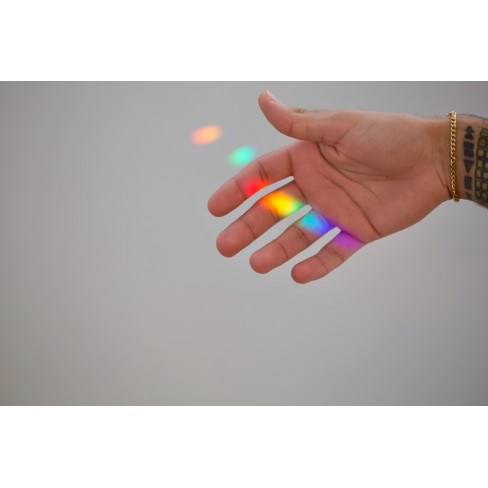
      This type of sensory room equipment harnesses light, color and motion to improve focus and visual processing, as well as alleviate stress through consistent sensory stimulation. Our collection of projectors and effect wheels is capable of immersing users in exotic landscapes, while our sensory mirrors allow younger users to experiment with their perception and develop self-awareness.
    • Tactile
      Unfamiliar textures can be challenging for individuals with hypersensitivity, which is why experiencing tactile inputs in a controlled environment can be so valuable to sensory development. The pinhole lights covering our fiber optic carpets invite tactile exploration, allowing users to shift from the soft carpet to the hard casing of the lights, whereas the individual pegs of our interactive light panel allow users to create multicolored masterpieces while strengthening their fine motor skills.
    • Movement
      For children and adults with dyspraxia, sensory room equipment that supports their vestibular and proprioceptive development is crucial to improving their balance and awareness of their body relative to the world around them. At Experia, we manufacturer soft yet durable soft play equipment bespoke to your room dimensions, giving your users the freedom to advance their gross motor development without fear of injury. 


      How Much Space Do You Have for Sensory Room Equipment?

      The amount of sensory room equipment you can include in your multisensory environment should be influenced by the amount of available space. In an ideal world, you would have access to a large, darkened room without windows, such that you can maximize the effect of sensory products that use lighting and color to stimulate these senses. However, in domestic and educational environments, these kinds of spaces can be hard to come by. If there are windows in your sensory room, we recommend installing blackout curtains to block most of the light.

      Similarly, you should consider accessibility when choosing the equipment for your sensory room. It can be tempting to cram as many sensory products into your space as possible, but it is important to remember that your users should be monitored while they are using the space, for their own safety as well as the longevity of the equipment in the sensory room. Furthermore, in educational settings, when two or more users are in the space at once, you may need multiple attendants to accompany each of the children, putting further limitations on the number of products you can include within your space. 


      What Budget Do You Have for Sensory Room Equipment?

      Much like the dimensions of your space, the budget you have for your multisensory room can impact the scope of your sensory project. We appreciate that designing sensory spaces is an investment and that many institutions hold fundraisers to ensure they get the best quality sensory equipment for their room. While some sensory companies position themselves as an affordable alternative, we urge you to source your sensory room equipment from a reputable company to ensure it has been manufactured to a high quality and has your users’ development in mind.

      At Experia, we pride ourselves on the quality, durability and benefits provided by our catalogue of products, but we are much more than mere sensory room equipment manufacturers. Our room designers work closely with our clients, taking into consideration their users’ needs, their spatial limitations, and their budgets to ensure we can optimize their sensory room package. For more information about our room design service, or for specialist insights into our sensory room equipment, please get in touch with us today so that we can help bring your sensory ideas to life!

      Continue Reading