The benefits of sensory rooms are wide-ranging, supporting people with many different needs and in many different settings. As safe, interactive environments, multisensory rooms enable users to engage their senses and improve the way they process new information.
But what is a multisensory room and how can one help individuals with special needs? In this post, we explore these fundamental questions to provide a full understanding and guide you in deciding how a sensory room could best serve your users.
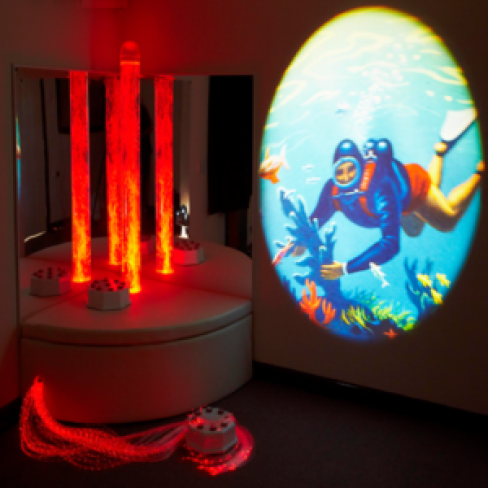
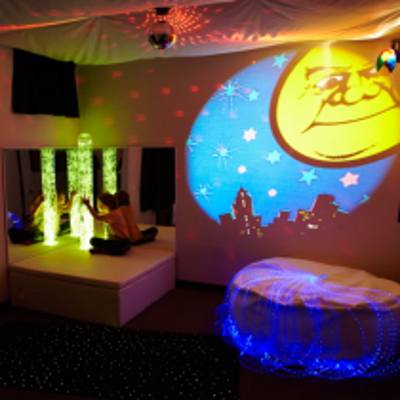
A multisensory room is an immersive environment which has been specifically designed to develop users’ sensory skills, including sight, hearing, smell, touch and proprioception. It features specialist sensory equipment that can stimulate and relax users, supporting those with disabilities or neurodivergent or neurodegenerative conditions. Such enriching spaces can be used in all sorts of settings, including private homes, schools, nursing homes and airports. Originating in the Netherlands and initially dubbed “Snoezelen” rooms, they are widely used as a form of therapy for people with sensory challenges.
Snoezelen room benefits have been recognized in multiple studies, which have shown how different aspects can support people with diverse needs. These include Alzheimer’s disease, autism, epilepsy, learning difficulties, physical disabilities and sensory processing disorders.
For example, multisensory rooms are known to both reduce stereotyped behaviour (repeating the same movement with no clear purpose, seen commonly in people with developmental delays and sensory processing differences) and improve focus and responsiveness in people with severe handicaps.
These environments hold slightly different benefits depending on the user and their needs, but are widely understood to help people in at least the following six ways:
Engaging adults and children with sensory issues can be challenging, especially as much learning equipment can be dull or daunting. These people can find the outside world a stressful place where they lack control, significantly impacting their cognitive development. A multisensory room transforms a standard space into a safe and engaging place where users can learn and interact. It is also a calm environment for carers to bond with their children, students, or clients, who continue to benefit from these relationships in their day-to-day life.
When created for a single user or a small group, multisensory environments also offer a personalized experience. Depending on the products chosen, the room can either calm or stimulate users, and provide specific sought-after sensations. For example, a multisensory room in a nursing home could feature products such as an Aurora LED Projector and Aromatherapy Bundle to exercise memories in people with dementia. If you would like some guidance as to suitable products, our knowledgeable team is always happy to help.
Most multisensory rooms feature colorful, eye-catching items that encourage users to slow down and pay attention. Popular products such as bubble tubes help to improve general concentration and alertness in this way, better enabling users to focus outside the space.
Sensory rooms can also encourage the development of gross and fine motor skills in a fun and motivating way. Products that encourage balance, muscle strength, coordination, and flexibility are essential components in sensory rooms intended for people with impaired cognition or physical difficulties. Here, among soft play spaces, they can practice their movement and balance skills without fear of falling and hurting themselves.
Multisensory rooms provide users with the opportunity to explore cause and effect as they learn how their actions impact the world around them. This will, in turn, help them cope in situations where their reactions might otherwise have been extreme due to sensory overload. For instance, our sound wall invites users to press colorful handprints to hear different sound effects, teaching them to associate their actions with specific outcomes.
As navigable spaces with room for multiple people, multisensory environments also offer the opportunity to experience their wonders alongside others. Whether multiple users inhabit the space simultaneously or a carer accompanies a single user, Snoezelen rooms enable people to practice interacting with others and sharing enjoyable experiences side by side.
There is a lot to consider when planning a sensory room, whether in your home, school, nursing home, or other facility. To help you make the right choices, our sensory experts at Experia USA have put together some guidelines.
To reap all the benefits of your sensory room, you should consider several questions when designing and filling the space. We recommend thinking through the following:

How much space do you have to work with?
The size and existing design of your multisensory environment is very important at the planning stage to maximize the benefits. It can help to personally stand in the space to visualise how many different zones and products will fit inside.
How much light is there?
A darkened room with dimmable lighting works best, as many sensory products use lighting and color to stimulate the senses. If there are windows, black-out curtains will help block most of the light coming in.
Are there enough outlets?
If the sensory equipment you want to use requires electricity, as many of our items do, consider how many power outlets you will need in the room and where these should be situated for safe and effective use of the equipment.
How warm might the room get?
If the prospective room has no windows, make sure to sufficiently ventile the space. Multisensory rooms can become hot, especially if they are used for long periods or feature soft wall and floor padding. Air conditioning is an effective method, but fans are a good budget option. Opening the door between sessions can help, too.
Is the room in a quiet area?
Potential noise levels are key to deciding the purpose of a sensory room. If you are able to choose the location of the room, make sure to choose a quiet area to minimize distractions for users while inside. If not, and the space outside is typically busy, consider fitting the multisensory room to primarily stimulate users, rather than completely calm or soothe them.
What is the purpose of your sensory room?
Before you start planning and buying equipment for your sensory room environment, it is important to consider why you are creating a multisensory room and know who will be using the room and how it will benefit their quality of life. Once you know the goals and purpose of your sensory room, contact us for assistance selecting the right equipment.

Once you have determined your users’ needs and selected a space to turn into a Snoezelen room, it is time to look at individual products and learn how to choose sensory toys. Organised by intended effect, here are some Experia USA products that can help boost varius sensory room benefits:
Calming
If you wish to create a calming sensory room for your user, it’s important to design a space that encourages a soothing and peaceful environment. Our products that incorporate calmness into sensory rooms include:
Auditory
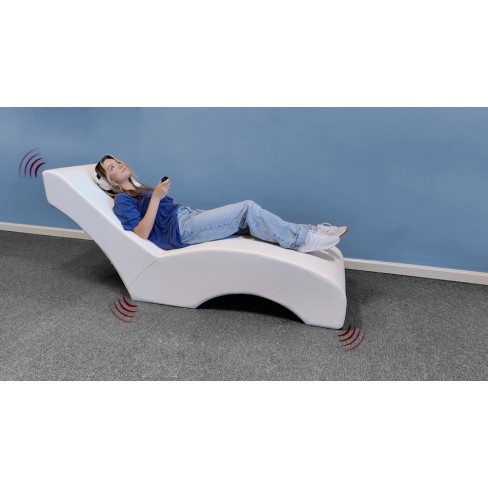
Sound has significant effects on the nervous system, so the use of sound therapy can be highly beneficial for users:
Motor skills
Our products that encourage balance and improve motor skills can be essential components in multi-sensory rooms:
Tactile
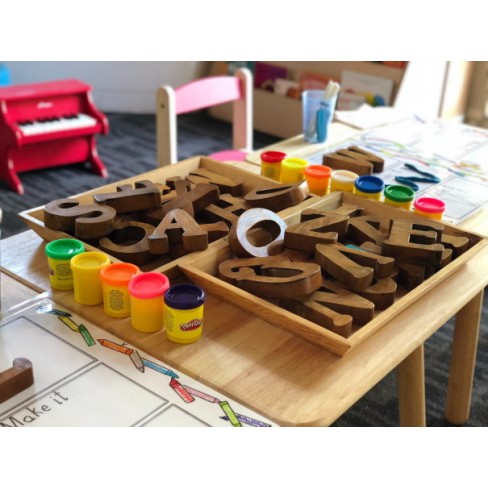
Tactile products are fantastic for allowing the user to interact with their surroundings through touch and textures:
Our Experia USA team has years of experience in creating multisensory rooms with endless benefits. We offer a free 3D room design service to help you create the best sensory environment for your personal requirements. As a leading innovator in the design, manufacture and installation of sensory products, we are happy to work with our customers to build the most suitable and cost-effective multisensory environments for a wide variety of sensory abilities and conditions. Call 1-800-882-4045 for more information about the benefits of sensory rooms or to order a free sensory catalog.
What is a Snoezelen room?
A Snoezelen room, also known as a multisensory room, is a specially designed therapeutic space that uses lighting effects, soothing sounds, relaxing scents, and tactile surfaces to calm or gently stimulate people with sensory needs.
Who benefits from a sensory room?
People with all sorts of sensory needs. Experia USA designs products to soothe and engage people with various neurological, developmental and physical conditions. There are many benefits of sensory rooms for autism, learning difficulties, sensory processing disorders, and other conditions.
What equipment goes in a sensory room?
It depends on the purpose of the sensory room. We recommend choosing products based on the needs of the intended users and tailoring the space to serve accordingly. Many multisensory environments emphasise calming, auditory, and memory-boosting equipment.
How much does a sensory room cost?
Anywhere from $5,000 to $50,000 for standard professionally designed setups. At Experia USA, our sensory room packages range in price to suit different budgets and user numbers. Please contact us 1-800-882-4045 for a quote for a comprehensive service.